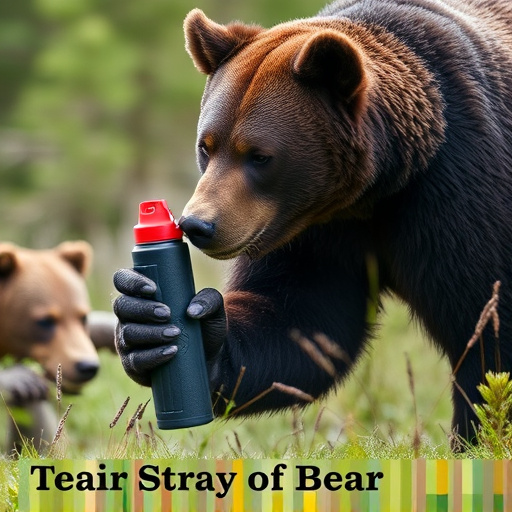
Store bear spray safely by keeping it in an open container on high ground, fastened to your backpack. Maintain cool (50°F-70°F/10°C-21°C), dry conditions with 30%-70% humidity. Seal and store out of reach, away from direct sunlight and extreme temps. Regularly check expiration dates and replace as needed. Practice usage techniques, aim accurately, and share storage location & instructions with companions.
When venturing into bear country, packing a bear repellent spray is essential for your camping safety. This guide explores everything you need to know about effective bear spray use. From understanding safety protocols and ideal storage conditions for maximum efficacy to mastering correct usage techniques with practice drills, equip yourself to navigate the wilderness confidently. Learn how to store bear spray safely and ensure a peaceful outdoor experience.
- Understanding Bear Spray Safety Protocols
- Ideal Storage Conditions for Maximum Efficacy
- Correct Usage Techniques and Practice Drills
Understanding Bear Spray Safety Protocols
Understanding Bear Spray Safety Protocols is paramount for any camper venturing into bear country. The first step involves learning how to properly store bear spray, ensuring it’s out of reach and inaccessible to wildlife. Keep it in an open container, away from trees or low-hanging branches where bears might grab it. Store it on high ground, preferably in a secure case or pouch fastened to your backpack.
Additionally, familiarize yourself with the spray’s operation. Practice using it regularly to understand range, wind conditions that affect its effectiveness, and how to deploy it quickly. Remember, bear spray is not a guarantee of safety; it’s a tool for deterring bears when necessary. Always stay vigilant, make noise while camping, and store food securely to minimize potential encounters.
Ideal Storage Conditions for Maximum Efficacy
To ensure maximum efficacy, bear repellent spray should be stored properly. Ideal conditions involve keeping it in a cool, dry place away from direct sunlight or extreme temperatures. Temperatures between 50°F and 70°F (10°C to 21°C) are optimal for maintaining the spray’s potency. Humidity levels should also be moderate, with ideal ranges being between 30% and 70%. Avoid storing bear spray in attics or garages where temperatures can fluctuate significantly.
When not in use, keep the canister sealed tightly to prevent any contamination or degradation. It’s recommended to store the spray out of reach of children and pets. Additionally, ensure that it’s placed in a secure location to minimize the risk of accidental discharge. Regularly check the expiration date and replace the bear repellent spray as needed to maintain its effectiveness during your camping trips.
Correct Usage Techniques and Practice Drills
Proper usage techniques are crucial for bear repellent spray to be effective. Before venturing into the wilderness, familiarize yourself with the product’s nozzle and trigger mechanism. Practice aiming at targets to ensure accurate deployment. Hold the can upright, aim slightly above and between the bear’s eyes or nose, and pull the trigger firmly in a smooth motion. A quick burst of 2-3 seconds is typically sufficient. Regular practice drills, both indoors and outdoors, will help you react instinctively if you ever encounter a bear.
When it comes to storage, learn how to store bear spray safely. Keep it out of direct sunlight and extreme temperatures, as these can degrade the contents. Store it in an easily accessible yet secure location, away from children and pets. Regularly check the expiration date and replace the canister before its use-by date to ensure maximum potency. Always keep it within reach during camping trips, and inform your companions about its location and usage instructions for a quick response in case of an encounter.
Bear repellent spray is an indispensable tool for any camper venturing into bear country. By understanding safety protocols, proper storage techniques like How to Store Bear Spray Safely, and mastering correct usage, campers can enjoy a more secure outdoor experience. Remember, knowledge is key when it comes to navigating potentially dangerous wildlife encounters, ensuring your time in nature is both memorable and safe.